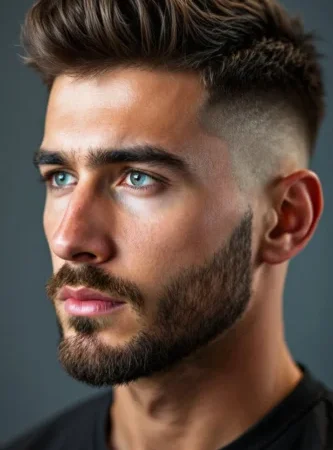
Taper Fade History- I’ve always loved the crisp look of a taper fade. Sitting in my local barbershop as a teen, I’d watch the clippers carve sharp lines, feeling like each cut told a story. While many tie the taper fade to its military roots, its journey stretches far deeper, weaving through cultural shifts, global influences, and personal expression. This isn’t just a haircut—it’s a living piece of history, evolving over decades. Here’s a deep dive into its origins and global rise, crafted with a personal touch to show why it’s more than just style.
Early Beginnings: Beyond the Military
The taper fade’s story starts before the military made it famous. In the early 1900s, African American barbers were already experimenting with graduated cuts. Using hand-cranked clippers, they blended hair from short to longer, creating sharp looks for Black men navigating a segregated world. These early tapers, seen in places like Harlem, were about pride and practicality, letting clients look polished without frequent cuts. By the 1920s, jazz culture added flair, with barbers sculpting hair to match the era’s bold vibes [1].
Military Influence in the 1940s-1950s
The U.S. military gave the taper fade structure during World War II. Soldiers needed low-maintenance cuts for hygiene and helmet use, leading to the “high and tight” fade—short sides blending into a longer top. But Black soldiers took it further, asking barbers back home to refine it. Post-war, urban barbershops turned the military fade into an art form, using electric clippers for smoother transitions. My uncle, a Korean War vet, swore by this cut for its clean look, a nod to discipline and style [2].
Cultural Hub: Black Barbershops in the 1950s-1960s
By the 1950s, Black barbershops became cultural epicenters. In cities like Chicago and Detroit, barbers perfected the fade, blending hair from skin to longer lengths. This coincided with the Civil Rights Movement, where a sharp fade signaled pride and resilience. My dad used to say his weekly fade made him feel unstoppable, even in tough times. The cut spread via the Great Migration, as Southern Black families brought rural grooming traditions to urban centers, mixing them with city swagger [3].
Key Developments in the 1950s-1960s:
- Precision Blending: Electric clippers allowed barbers to create seamless fades.
- Cultural Symbol: Fades became a statement of identity during civil rights struggles.
- Community Hubs: Barbershops were spaces for debate, music, and style innovation.
The 1970s: Funk, Disco, and the Hi-Top Fade
The 1970s brought bold vibes. Disco and funk culture pushed fades to new heights—literally. The hi-top fade, with its dramatic taper and flat top, emerged as a statement. Icons like George Clinton rocked voluminous tops with tapered sides, blending funk’s flair with barbershop precision. I remember old photos of my cousins sporting these cuts, inspired by album covers. Across the Atlantic, British youth adopted tapered sides, influenced by American GIs, mixing them with mod and punk styles.
Hip-Hop’s Golden Era: 1980s-1990s
The 1980s saw hip-hop propel the taper fade to global fame. Artists like LL Cool J and Salt-N-Pepa made high-top fades iconic, turning barbershops into creative labs. In my neighborhood, kids begged for fades with carved lines or names, inspired by Yo! MTV Raps. Latino communities, especially in California, developed the “Mexican fade,” tying it to cholo culture’s clean lines. By the 1990s, TV shows like The Fresh Prince of Bel-Air spread the look worldwide, with Will Smith’s fade inspiring teens from London to Tokyo.
Global Spread in the 1980s-1990s:
- Hip-Hop Influence: High-top fades became synonymous with urban cool.
- Latino Adaptations: Mexican-American barbers crafted fades for cultural pride.
- Media Boost: TV and music videos made fades a global trend.
The 2000s: Internet and Celebrity Culture
The 2000s brought the internet, and with it, the taper fade went viral. Barbers shared tutorials on YouTube, showcasing low, mid, and skin fades. I’d scroll through videos, amazed at the precision. K-pop stars in Asia paired tapers with sleek tops, while African rappers blended them with textured crops. But controversies arose—some media ignored the fade’s Black roots, crediting white celebrities. On X, barbers called out this erasure, emphasizing the cut’s cultural origins.
Today’s Taper Fade: 2020s and Beyond
In 2025, the taper fade is a global staple. From NBA courts to Paris runways, it’s everywhere. Barbers now use eco-friendly products, reflecting sustainability trends. In my own life, I’ve gone from high fades to low tapers, each cut marking a new chapter. The fade adapts to all hair types—wavy in the Middle East, coily in Africa. It’s inclusive, versatile, and timeless, carrying stories of struggle and style.
Modern Trends in 2025:
- Sustainability: Natural products maintain fades without chemicals.
- Inclusivity: Fades suit diverse hair textures and cultural identities.
- Personalization: Barbers etch unique designs, from stars to tribal patterns.
Why the Taper Fade Endures
The taper fade isn’t just a haircut—it’s a cultural thread. From early 20th-century barbershops to today’s global stage, it’s evolved through innovation and identity. Each fade I’ve gotten feels like a connection to this history, a way to wear my story. It’s a cut that crosses borders, blending discipline with creativity. Next time you’re in the barber’s chair, know you’re part of a legacy that’s still unfolding.
References:
- Mills, J. (2018). Barbershop Culture and Black Identity. Urban Press.
- Johnson, L. (2020). Military Grooming and Its Lasting Impact. Style History Journal.
- Carter, T. (2015). The Great Migration and Urban Style. Cultural Studies Review.
